Table of Contents
ToggleAustralia’s capital is famous for crisp, blue-sky winters, but those minus-five mornings can punish a home’s plumbing. Canberra households that give their hot-water systems a once-over before June avoid the rude shock of an icy shower, slash running costs, and cut the risk of scalds. Regular inspection of valves, anodes, thermostats and pipework—paired with timely professional help of gas heater service in Canberra —keeps storage tanks and instantaneous units running smoothly even on the frostiest dawns. This guide steps through the essential checks, highlights common trouble spots, and flags when to book a qualified technician.
Cold-weather failure points
1. Sediment build-up
Even in city water, minerals settle at the base of a storage cylinder. The layer insulates the water from the element or gas flue, forcing longer heat cycles and noisy “kettle” sounds. A simple flush via the drain cock clears the muck and restores efficiency.
2. Temperature–pressure (TPR) valve
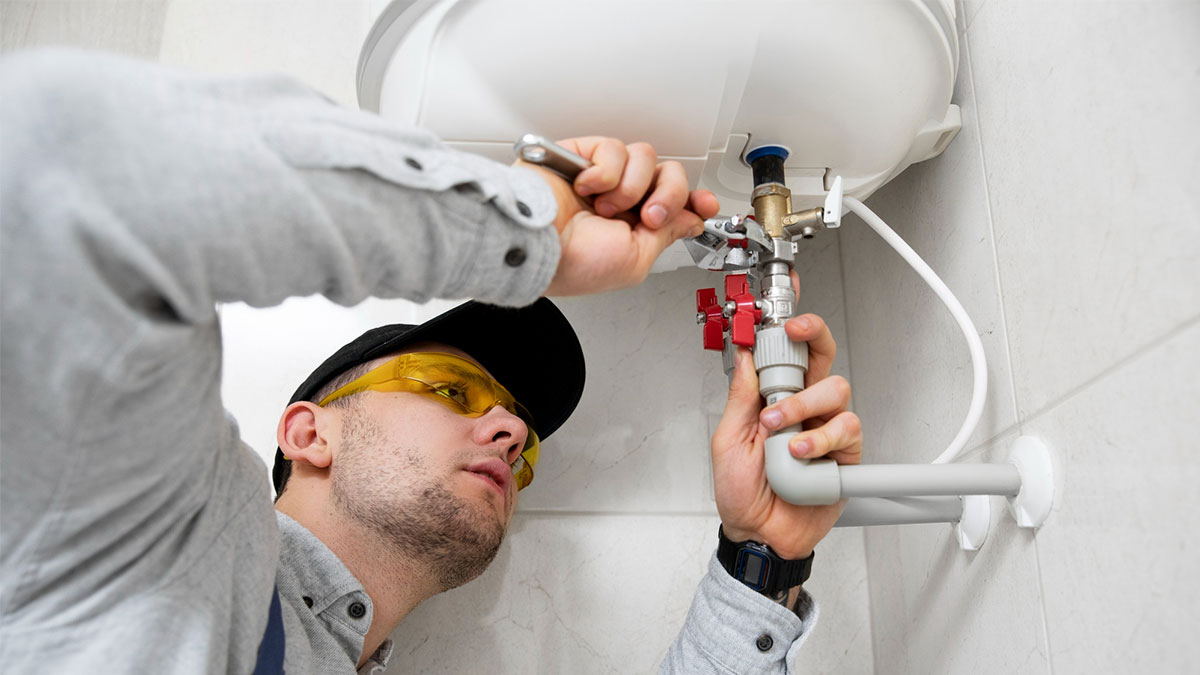
Manufacturers recommend swapping the TPR valve every three to five years; corrosion can jam the spring and let pressure climb dangerously. Flick the lever for a few seconds—if water dribbles rather than gushes, it is time for a replacement.
3. Sacrificial anode
Magnesium or aluminium anodes corrode instead of the mild-steel tank shell. Check them at the five-year mark; a fully consumed anode usually precedes tank leaks by one or two winters.
4. Thermostat and tempering valve
Australian Standards require stored water at 60 °C to curb Legionella, yet outlets must not exceed 50 °C in homes. A faulty thermostat can over-run (raising energy bills) or under-run (inviting bacteria). Tempering valves drift over time and need recalibration or replacement.
5. Pipe insulation
Unlagged copper pipes radiate heat into crisp morning air. Every metre of bare 20 mm pipe can drop water temperature by up to 1 °C before it hits the tap, wasting energy and prompting longer draw-offs.
Also Read: Top 7 Common Hot Water System Problems and How to Fix Them
Essential pre-winter checklist
| Task | DIY? | Why it matters |
|---|---|---|
| Drain and flush tank | Confident DIY | Removes sediment, boosts efficiency |
| Test TPR valve | DIY | Confirms pressure relief path |
| Inspect anode | Plumber | Extends cylinder life |
| Check thermostat set point | DIY with caution | Balances scald risk and bacteria control |
| Lag exposed pipes | DIY | Cuts standby losses |
| Service heat-pump fan and coils | Technician | Maintains coefficient of performance |
| Schedule gas heater service | Technician | Ensures safe combustion and venting |
Heat-pump owners should clear leaves from the intake grille and have a tech check refrigerant pressure and coil cleanliness each autumn.
When to ring the expert
Some symptoms signal “down tools and call”:
- Rapidly rising gas or power bills while hot-water use is unchanged—possible element short or burner fault.
- Rust-coloured water: anode gone, tank life measured in months.
- Water at the overflow pipe every hour: thermostat failure.
- Persistent pilot outage on a gas unit despite relighting attempts.
Canberra plumbers offer 24/7 Emergency hot water repair and can usually swap a like-for-like electric or gas tank the same day. Mention “no hot water” when booking; consumer law treats loss of essential services as an urgent repair, obliging landlords to act within 24–48 hours.
Energy-smart tweaks that pay for themselves
- Heater repairs Canberra firms can fit smart controllers that heat during off-peak tariffs, cutting electricity costs without changing usage patterns.
- Insulate the first three metres of hot and cold pipe at the tank to save up to 10 % of standing losses.
- If your storage tank is ten years old—the national average life span—price a heat-pump replacement. ACT residents can claim rebates on eligible models through the Home Energy Support Program.
Safety first: scalds and bacteria
A toddler can suffer third-degree burns in one second at 65 °C. Conversely, Legionella thrives below 50 °C and dies rapidly above 60 °C. Keep the tank at 60 °C, fit or service tempering valves, and test water at the bathroom outlet with a probe thermometer—aim for 45-50 °C. Adjustments fall under heating repair Canberra specialists because incorrect settings void warranties and may breach AS/NZS 3500.
Broader climate control
A serviced hot-water unit is only part of winter comfort. Reputable heating and cooling services can inspect ducted gas heaters, clean return-air filters and bleed hydronic panels in the same visit, often at a package price before peak season. Coordinating bookings avoids the late-May rush and secures better rates.
What about leaks?
A slow drip from the cylinder base usually spells internal corrosion. Arrange Leaking hot water repair Canberra promptly; a small puddle today can become a failed tank tomorrow and a flooded laundry the day after. Bubble-wrap insulation or towels around the base merely hide the problem and can accelerate rust by trapping moisture. Here’s What You Need to Know about Hot Water Leaks.
Wrapping up
Canberra’s sharp winters need not come with chilly showers. One Saturday afternoon spent flushing the tank, testing valves and lagging pipes, followed by a professional tune-up every couple of years, will keep the water steaming and the bills sensible. Act now—before the thermometer dips below zero—and your hot-water system will sail through July without missing a beat.