Table of Contents
ToggleCanberra’s winter bite is legendary. With overnight lows often below zero, heating is more than a comfort feature; it is a survival tool that consumes most of a household’s energy budget. Two options dominate the market—reverse-cycle air-conditioning (heat pumps) and ducted or space natural-gas heaters. A closer look at efficiency, bills, liveability, and the Territory’s rebate stack shows why electricity now outmuscles methane in nearly every home.
Efficiency: Moving Heat Beats Making Heat
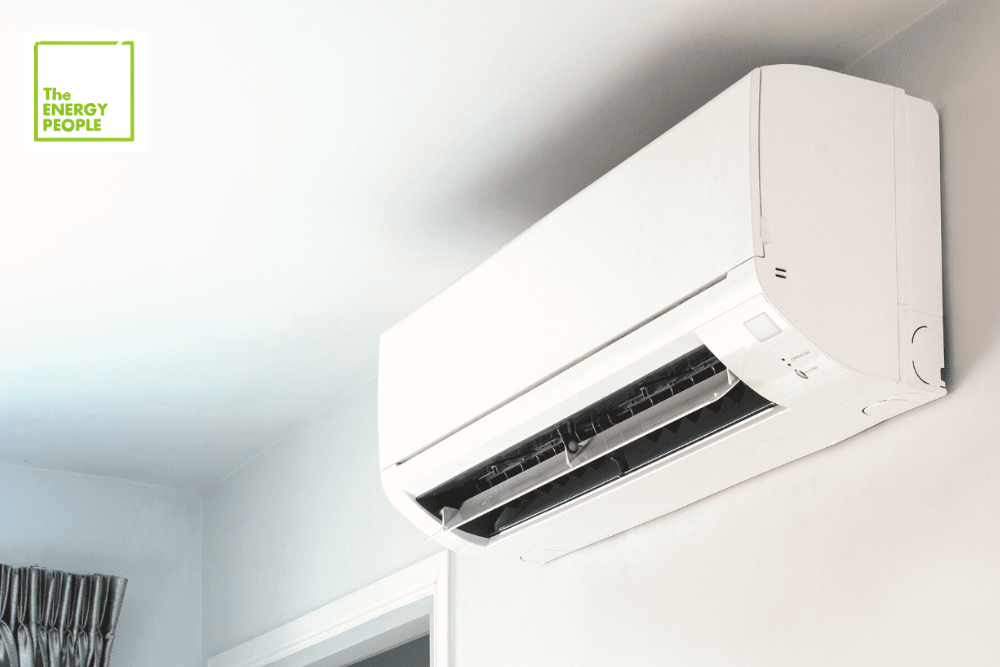
A modern reverse-cycle unit doesn’t create warmth; it shifts it. Even at –5 °C there is usable thermal energy outdoors, and the compressor pushes that energy inside. The result is a Coefficient of Performance (COP) of 3.5 – 5.5, meaning 1 kWh of electricity supplies up to 5.5 kWh of heat.
Gas heating is limited by chemistry. The best six-star ducted system converts about 91 % of the fuel’s energy into room heat; older three-star models sit under 80 %. When efficiency is capped below 100 %, the fuel price becomes everything—and that price has been rising.
Running Costs: The Numbers for July 2025
From 1 July 2025 ActewAGL’s standing electricity tariff lands near 35.8 c/kWh, while competitive market offers hover around 26 c/kWh. Gas sits near 4 c/MJ on a sharp deal, roughly 14.4 c/kWh after conversion.
Putting tariff and efficiency together:
- Reverse-cycle (COP 4, 26 c/kWh power) → 6.5 c per delivered kWh.
- Six-star gas (91 %, 14.4 c/kWh fuel) → 15.8 c per delivered kWh.
- Three-star gas (73 %, ActewAGL standing rate) → 24.7 c per delivered kWh.
For a family home demanding 6 000 kWh of heat each winter, that is $390 with an efficient heat pump versus $948 for top-line gas and roughly $1 480 for an older ducted unit. Even trimming the assumptions, electricity wins by a wide margin.
Comfort and Health
Even warmth. Reverse-cycle systems circulate air, giving a steady temperature from floor to ceiling. Gas space heaters provide intense radiant heat near the flame yet leave cool corners.
Air quality. Heat pumps add no combustion products indoors and dry the air slightly, cutting mould risk. Unflued gas units release nitrogen dioxide, carbon monoxide and water vapour straight into the room. Flued ducted systems are safer but still draw indoor air for burning and can back-draft if the flue is compromised.
Noise. Labels now show outdoor and indoor sound levels for air-conditioners, and many units glide below 45 dB indoors. Rattling duct fans of aging gas furnaces seldom manage that trick.
Up-Front Costs and the Rebate Stack
Reverse-cycle gear costs more to install—roughly $7 000 – $15 000 for fully ducted versus $3 000 – $9 000 for gas. Yet Canberra’s incentive landscape rewrites the ledger:
- Sustainable Household Scheme offers interest-free loans up to $15 000 over ten years.
- ActewAGL Heating and Cooling Upgrade cuts $2 500 from a ducted heat-pump install, or $5 000 for concession holders, plus energy-bill credits.
- Home Energy Support Program adds up to $5 000 for low-income households.
- Ditching the meter wipes the daily gas supply charge—around $350 every year—once you cap the pipe.
Combine the loan with the upfront grant and the annual power saving, and many families see positive cash flow from day one. For a concession household, ten-year total ownership often undercuts the cost of buying a new gas furnace by more than $8 000.
The Future Proof Question
The ACT plans to phase out residential gas over coming decades. As customers peel away, the fixed cost of the network must be divided among fewer connections, pushing supply charges up for those who remain. Installing new gas hardware now risks creating a stranded asset and higher bills later. Choosing reverse-cycle aligns with policy, shields against gas volatility, and pairs neatly with rooftop solar if panels are on your list.
Hot Water and Whole-Home Electrification
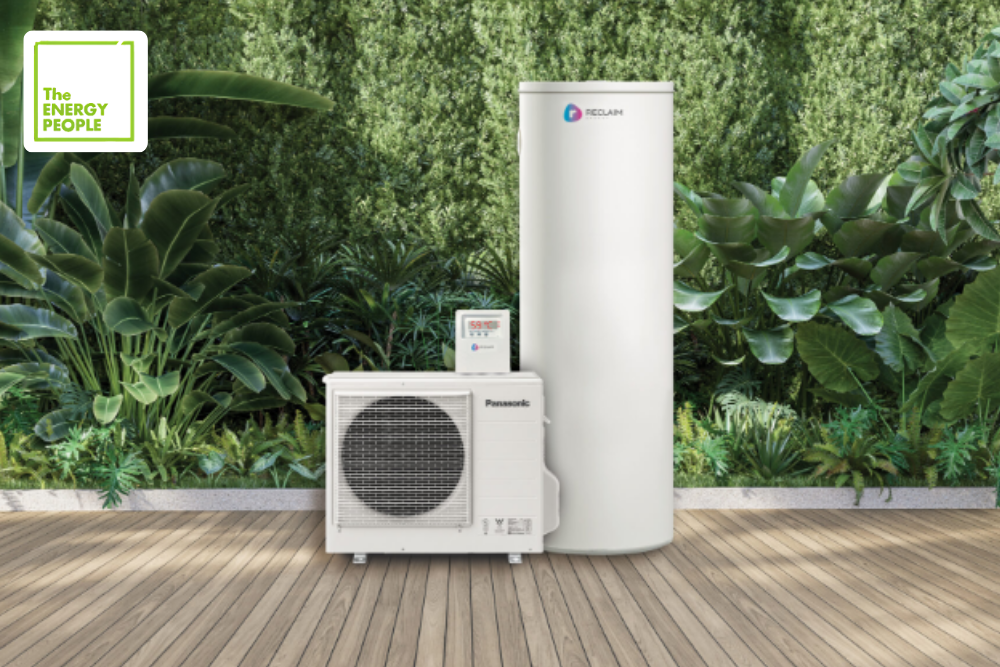
Once the heating decision tilts toward electricity, many households eye their cylinders. Swapping an ageing gas hot water system for a heat-pump or solar-boosted unit can trim another chunk off the gas bill and lets you remove the meter entirely. Local suppliers of hot water system Canberra upgrades report brisk demand, and the same loan scheme makes it painless. If you google Canberra hot water, you’ll notice rebates identical to those for space heating.
Heat-pump units are roughly three times as efficient as a resistive element and run happily on excess solar. They also count as hot water systems under the Territory’s appliance standards, so finding parts and service is simple. When it comes time to Replace hot water Canberra households can fold that job into the same interest-free finance and walk away from fossil fuels for both space heating and hot water Canberra.
Final Thoughts
Canberra’s energy maths has flipped. High-efficiency reverse-cycle air-conditioning delivers cleaner air, steadier warmth and winter bills under half those of even the best new gas furnaces. The ACT’s generous rebates erase much of the upfront gap, and eliminating the gas meter sends another saving straight to the household budget. With policy pointing clearly toward full electrification, shifting to a heat pump is not only the cheaper option today; it is the sensible hedge against tomorrow’s network charges.