Table of Contents
ToggleCanberra is moving off fossil gas. The ACT Government has set a path to phase out fossil fuel gas by 2045 at the latest, with a city-wide shift to efficient electric appliances already underway. New gas network connections to buildings were stopped from 8 December 2023, so every new home is now designed for all-electric living. What should households replace first, and why does the order matter?
Start with space heating and cooling
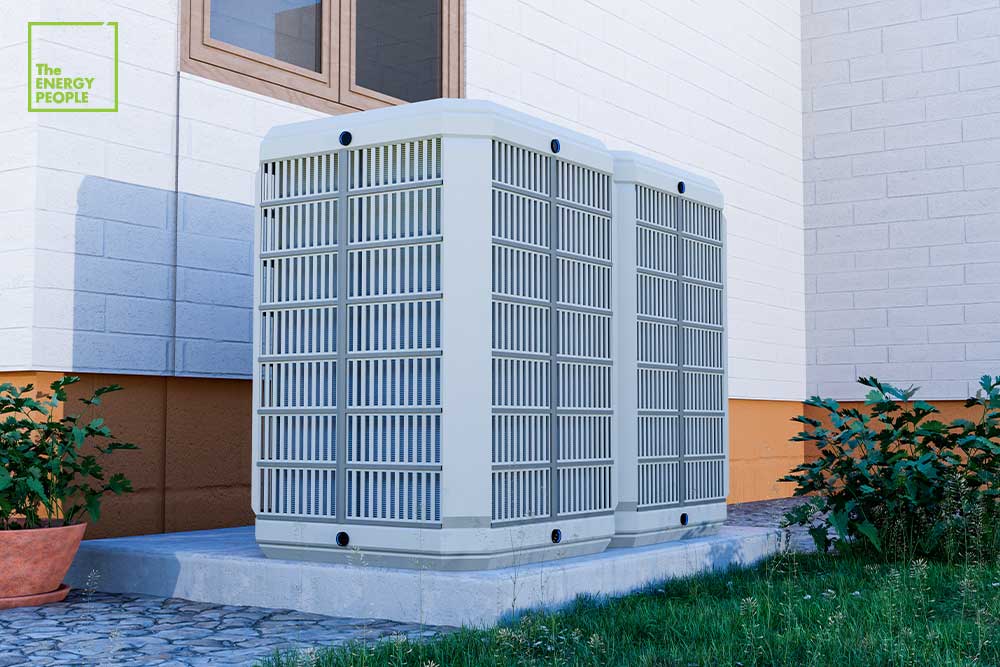
Reverse-cycle air conditioners (electric heat pumps) give the biggest bill and emissions wins in our climate. They deliver three to five units of heat for every unit of electricity and modern models keep working in sub-zero mornings common in the capital. Evidence from federal analysis notes air-source heat pumps designed to operate down to about −15°C, which suits Canberra winters. Replacing ducted or space gas heaters with high-efficiency split systems cuts running costs fast and also gives summer cooling from the same unit. If you stage the change, prioritise the most-used living areas first, then bedrooms.
Answering the key question: which swap saves the most, fastest? Heating, because it runs the longest hours across winter and heat pumps multiply the energy you buy into usable warmth.
Then replace hot water
Hot water is the second-largest energy load in many ACT homes. The hot water system Canberra households install next should be a heat-pump water heater. These units work like a fridge in reverse, drawing heat from the air to warm the tank, which slashes electricity use compared with resistive or gas units. Federal and industry testing shows modern heat pumps keep efficient performance in cold conditions, again down to around −15°C. If you still run a gas hot water system, plan the change before failure, because emergency replacements push you back into like-for-like choices.
When should you act? Before winter or before the existing cylinder reaches end of life. That timing avoids cold-shower stress and lets your installer place the tank and the compressor neatly. For Canberra hot water demand that peaks early and late, choose a model with a timer to heat when your rooftop solar is exporting or when off-peak tariffs apply. Upgrades to hot water systems are eligible under multiple ACT programs, which helps with upfront cost.
Shift cooking to induction
Gas cooktops waste most of their energy as flame heat around the pan. Induction heats the pot directly, so it is far more efficient and quicker to respond. Independent Australian coverage cites about 85% energy transfer for induction, compared with roughly 32% for gas. Indoor air quality improves too because you are not burning gas in the kitchen. National reporting and research summaries link gas cooking to higher indoor pollutants and recommend induction for cleaner air. If you love a wok, add a flat-bottomed carbon-steel pan or an induction-compatible wok ring and you will get the sear you want.
Solar and electrical readiness
Solar PV supercharges the savings from electrification. Once heating, water and cooking run on electricity, rooftop solar offsets most daytime use and pares back bills across the year. To make the switch smooth, ask an electrician to check your switchboard, main cables and earthing. Many homes cope fine with a standard single-phase board, but older boards may need extra safety breakers or capacity. If you are planning a future EV charger, run conduit while trades are already on site. A good installer will map appliance locations, outdoor clearances for heat-pump units and noise requirements before work begins.
Use ACT support to sequence upgrades
Financing tools now match the typical Canberra upgrade path. The Sustainable Household Scheme offers low-interest loans of $2,000 to $15,000 over up to 10 years for approved products such as reverse-cycle systems, heat-pump hot water and induction cooking. Eligible homeowners on lower incomes can also access Home Energy Support rebates that cover 50% of supply and install costs up to $2,500 for items including hot-water heat pumps, reverse-cycle air conditioning, electric cooktops and ceiling insulation, and these can be paired with a zero-interest loan of up to $10,000. Energy People, based in Canberra, participates in these programs and outlines options for ACT households on energypeople.com.au.
A practical order of works
- Audit and plan. List gas appliances, their age and failure risk. Confirm switchboard capacity and meter location.
- Heating first. Install high-efficiency reverse-cycle units in main living zones before winter.
- Hot water next. Book a heat-pump water heater and set timers to align with solar or off-peak. Service listings such as hot water Canberra help you find local installers, and you can price jobs ahead of failure.
- Cooking third. Fit an induction cooktop and, if the oven is gas, change to electric.
- Solar PV. Size a system around your daytime loads and roof.
- Gas disconnection. Once appliances are swapped, arrange meter removal to stop daily supply charges.
- Insulation and drafts. Seal gaps and top up ceiling insulation to lock in comfort.
Will you lose comfort by moving off gas? No. Heat pumps deliver steady warmth, induction boils water faster than flame, and you gain summer cooling from the same reverse-cycle units. The city’s policy direction gives certainty that the grid will keep shifting to renewables, so your running costs trend down over time.
Costs, savings and timing
Every home is different, but the pattern is consistent. Replacing a ducted or space heater with reverse-cycle units drops winter bills first. Swapping the cylinder brings year-round savings because water heating runs daily. Cooking completes the set and improves indoor air quality. Stagger the work to spread cost, or bundle items under a single loan if that suits your budget. If you prefer a staged path, change the most-used appliance now and book the next item for the shoulder season. Plan to Replace hot water Canberra before your cylinder fails so you can choose the best location and model.
The bottom line
Canberra’s shift off gas is locked in, and households can get ahead with a clear sequence: heating, then hot water, then cooking, supported by solar and a tidy switchboard. Programs in the ACT make the numbers stack up, and reputable local installers can deliver clean, quiet systems that suit our winters. For quotes and guidance tailored to your home, speak with a qualified electrician or reach out to a trusted local provider on energypeople.com.au.